Understanding National Native American Heritage Month and Indigenous History
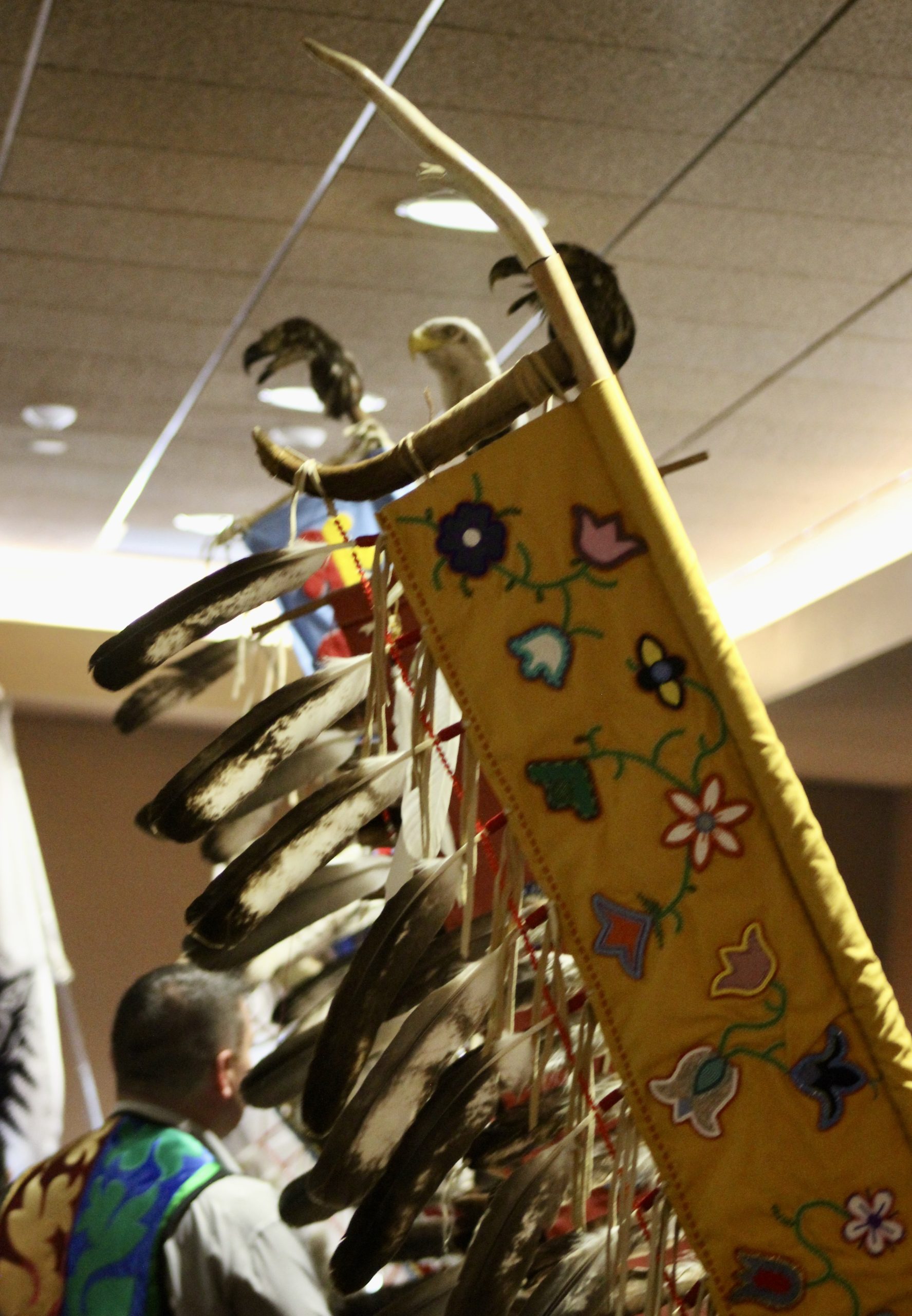
As November approaches, attention turns to National Native American Heritage Month. This period serves as a crucial opportunity to raise awareness not only of the rich histories and vibrant cultures of Indigenous peoples but also to acknowledge their profound resilience and lasting contributions to the fabric of the nation’s society. More than just an observance, it is a time dedicated to understanding the ongoing journey of Native communities and addressing the evolving issues surrounding federal recognition of their heritage.
The formal designation of National Native American Heritage Month represents the culmination of centuries of tireless effort by advocates seeking to recognize these substantial contributions. The history of this movement is marked by pioneering figures who fought for visibility and rights. Early in this struggle, Dr. Arthur Caswell Parker, a Cattaraugus Seneca Indian historian, anthropologist, and author from New York, emerged as an early proponent. His activism was instrumental; he founded several influential American Indian rights organizations, including the Society of American Indians in 1911 and the National Congress of American Indians in 1944. Parker’s advocacy extended to urging that American Indians receive U.S. citizenship, a critical step toward self-determination.
The push for recognition continued through decades of determined action. One notable early effort involved Parker persuading the Boy Scouts of America to designate an observance day to celebrate “First Americans,” an event held between 1912 and 1915. Further demonstrating the sheer scale of dedication, in 1914, Red Fox James, a Blackfoot tribal citizen and native rights advocate, undertook an extraordinary 4,000-mile horseback journey all the way to Washington, D.C. His mission was to petition the president for an “Indian Day.” He presented his case with endorsements from 24 governors, demonstrating widespread support for the cause. This momentum led to a significant milestone: on September 28, 1915, President Calvin Coolidge issued a proclamation declaring the second Saturday in May as American Indian Day. Crucially, this declaration also included the first formal appeal for Native Americans to be recognized as U.S. citizens.
The fight for recognition continued through various legislative milestones throughout the mid-20th century. Decades later, in 1976, Jerry C. Elliott (Osage-Cherokee), who was among the first Native Americans to work at NASA, played a role by authoring congressional legislation that established the first Native American Awareness Week, observed from October 10–16. The movement gained further formal momentum when President George H.W. Bush signed a joint congressional resolution in 1990, officially designating November as “National American Indian Heritage Month.” Since 1994, presidential proclamations have been issued annually to recognize the significance of this month.
Today, National Native American Heritage Month provides an expansive platform for recognition that encompasses more than 575 federally recognized Tribal Nations and countless Native communities scattered across the United States. Beyond celebrating culture and history, it is a necessary time to acknowledge complex, ongoing issues facing Indigenous peoples. These challenges include maintaining tribal sovereignty, upholding treaty rights, securing voting rights, ensuring adequate health care and education services, and protecting ancestral lands and natural resources from exploitation.
When people search for this topic now, they are often seeking deeper understanding—a move beyond surface-level celebration to grasp the depth of history, the complexity of modern challenges, and the enduring strength of Native culture. The month serves as a vital educational tool, reminding the public that the story of Indigenous peoples is not merely historical but profoundly contemporary. It requires an attentive look at the resilience demonstrated by communities navigating issues from resource protection to self-governance.
Ultimately, National Native American Heritage Month encourages readers to learn about the rich tapestry of cultures and traditions that enrich our nation's identity. By understanding the long arc of struggle—from early petitions like Red Fox James’ journey to modern legislative efforts—the public can gain a more nuanced appreciation for the enduring contributions and continued needs of America’s Indigenous communities.