Bluegrass Icon Bill Clifton: Remembering a Life Dedicated to Traditional American Music
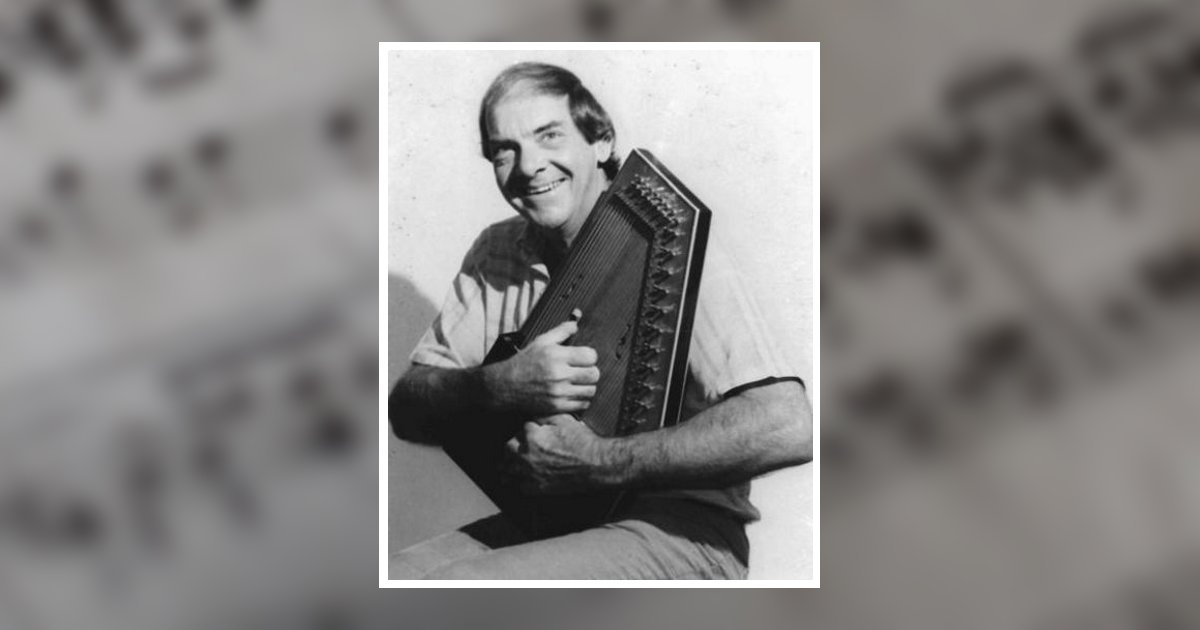
The passing of William August Marburg, widely revered by generations of enthusiasts as Bill Clifton, marks the end of a profound chapter in American musical history. Clifton died on October 30, 2026, at the age of 95. Born on April 5, 1931, in Riderwood, Maryland, William devoted his life to ensuring that the traditional American music he loved would continue to be heard by future generations. As a musician, collector, publisher, festival organizer, and international ambassador for bluegrass, Clifton carried old songs across the United States and around the world, leaving an indelible mark on the genre.
His lifelong passion for traditional sounds began in humble circumstances. Raised on a farm outside Baltimore, he first encountered country and old-time music through radio broadcasts and worn 78-rpm records. This youthful fascination quickly blossomed into a vocation. While studying at the University of Virginia, Clifton found peers who shared his deep commitment to this musical heritage, helping form groups like the Dixie Mountain Boys with Paul Clayton, Dave Sadler, Johnny Clark, and, for a time, young Mike Seeger. These formative years placed him precisely at the intersection of bluegrass, old-time country, and the burgeoning folk revival movement.
Clifton's understanding of traditional music was profoundly shaped by mentors like A. P. Carter, who traveled the back roads of Appalachia collecting songs that might otherwise have been lost. Clifton deeply admired not only the music A. P. Carter preserved but also the purpose behind it. As he later reflected, "A. P. Carter loved the music, and he wanted to make sure that the music lived on." Following his graduation from the University of Virginia in 1954 and service in the United States Marine Corps, Clifton channeled this dedication into tangible preservation efforts. During his spare hours, he compiled *Bill Clifton 150 Old-Time Folk and Gospel Songs*, a resource introduced by A. P. Carter and published with support from Noah Adams of Blue Ridge Records. This songbook became an invaluable asset for bluegrass musicians and contributed significantly to the preservation legacy that led to his induction into the Bluegrass Music Hall of Fame.
His commitment extended far beyond recording and publishing. In 1961, he organized the landmark bluegrass festival at Oak Leaf Park in Luray, Virginia—an event recognized as one of the first major bluegrass festivals in the United States. He also played a key role in the organizational and promotional work of the Newport Folk Festival during its formative years, establishing vital venues where traditional music could reach new audiences. Clifton believed he had been given opportunities that many other musicians admired never received. This belief fueled his desire to share American culture globally.
Recognizing this opportunity, Bill and his family moved to England in 1963, where he introduced American bluegrass and old-time music throughout Europe. His dedication continued even while serving with the Peace Corps in the Philippines, cementing his status as one of bluegrass's earliest international ambassadors. Whether arranging performances for traditional musicians or introducing old songs overseas, Clifton maintained a singular focus: helping others—and their music—be heard. He often stated that he was proudest of representing those who lacked opportunities to bring their art beyond their local communities.
While his professional life spanned continents and decades, family remained the steady heart of it all. He was married twice; he expressed deep gratitude for the support of his first wife, Sarah-Lee, during his career's early years, and treasured the more than forty years shared with his second wife, Tineke, whom he called the love of his life. He is survived by his sister, Ann Hoffman; and ten children: Tad, Streett, Leelee, Chandler, Cameron, Grainger, Rush, Stella, Flory, and Laurel. In honor of his memory, those wishing to pay tribute are encouraged to support the Carter Family Memorial Music Center or simply to do what Clifton would have wished most: listen to an old song, learn it by heart, and pass it on.